Where we work

No facility is a special case

A water treatment facility, a shopping mall, a housing estate and a factory all come down to the same four things: water, power, air and machines. The instruments differ. The engineering does not — and neither does the question. What is running, is it running well, and who needs to know the moment it is not?

01 — Water & wastewater

Treatment plants

Dosing verified against live flow instead of assumed. Quality trended through every stage instead of sampled once a day. And a discharge record that already exists, timestamped, when the regulator asks for it.

Aeration is the largest energy line in most plants — holding dissolved oxygen to setpoint, with blower duty trimmed to real demand, is usually where a plant finds its first big saving. Carry-over and upset conditions become visible while they can still be corrected, rather than after they have left the site.

  • pH & ORP
  • Dissolved oxygen
  • Turbidity / TSS
  • Chlorine residual
  • Conductivity
  • Dosing flow
  • Blower duty
  • Compliance records
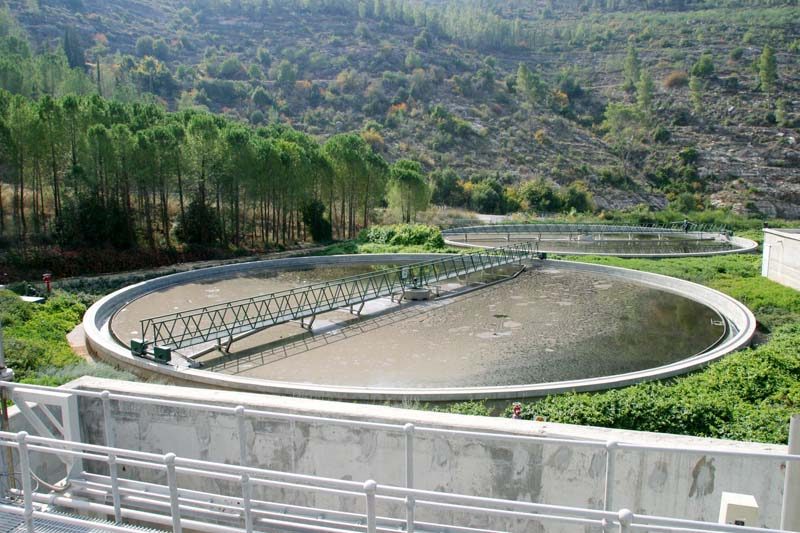
A circular clarifier tank at a water treatment facility.
Stage-by-stage quality on one timeline, overlaid against pump duty, flow and power.
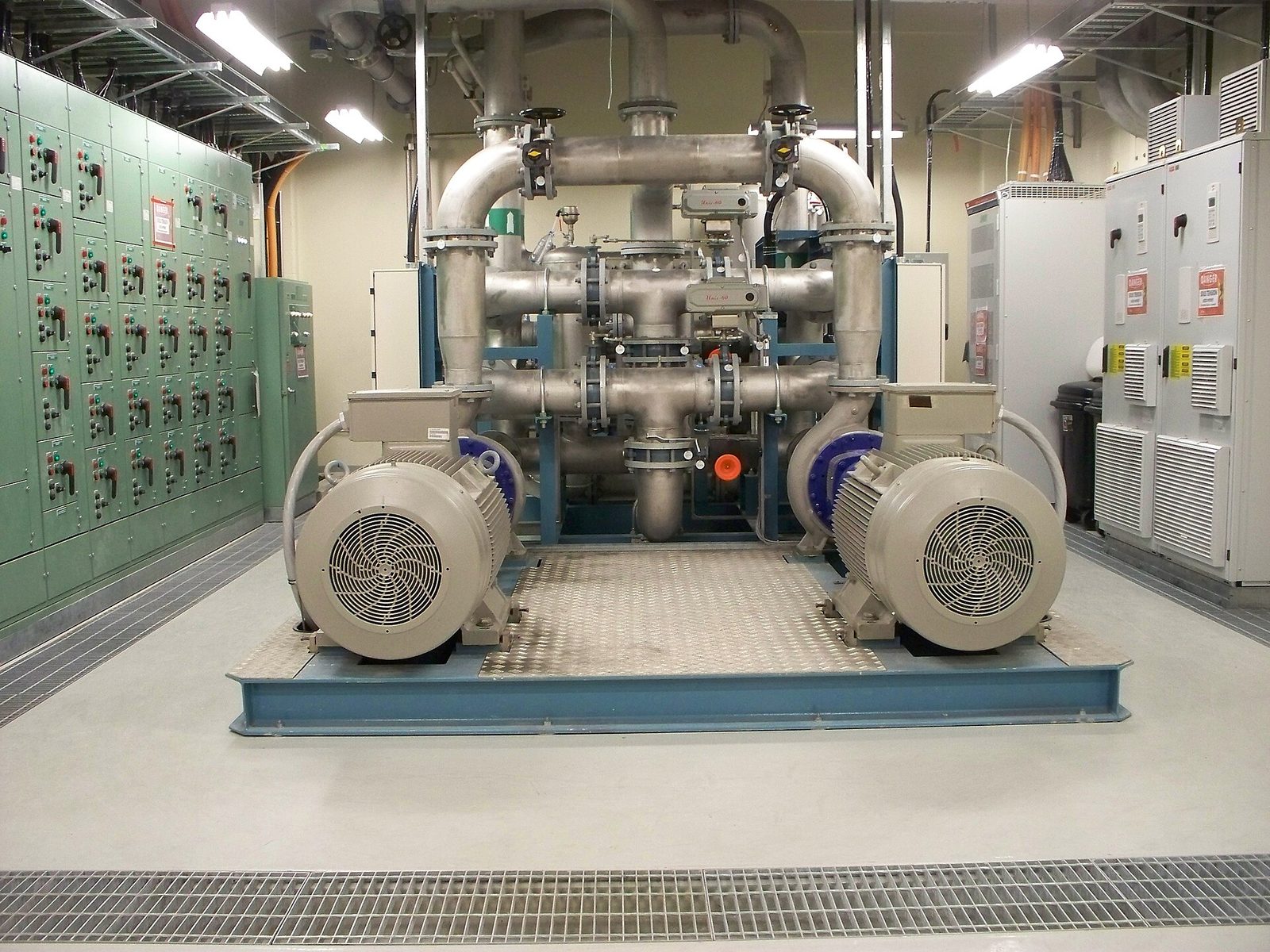
A duty and standby pump set with motors, pipework and control panels in a pump hall.
Suction and discharge pressure on every set, with duty shared so two pumps wear like two pumps.
02 — Pumping & distribution

Boosters, wells, reservoirs and networks

Water you have already paid to pump and treat, and then lost before it reached anyone, is the most expensive water there is. Finding it is a measurement problem before it is a plumbing problem.

District metering, pressure management and night-flow analysis show where losses actually are, so repairs are prioritised by evidence. At the source, drawdown and aquifer response tell you what a well is really doing — and variable-speed control matches output to demand instead of running flat out and throttling the difference away.

  • Suction / discharge pressure
  • Zone flow
  • Reservoir level
  • Drawdown
  • Night-flow analysis
  • Burst & leak signatures
  • VFD speed
  • Dry-run protection
03 — Malls & retail

Retail complexes

Chiller plant, comfort by zone, lighting that follows real occupancy, tenant metering, potable water and pumping, and site security — the whole property on one screen, instead of five systems nobody looks at together.

Two lines usually dominate a mall's operating cost: cooling and lighting. Both respond immediately to schedules tied to trading hours and actual occupancy rather than a time-clock set years ago. Tenant consumption attributed properly turns recovery from an argument into an invoice.

  • Chiller & AHU duty
  • Zone comfort
  • Lighting zones
  • Tenant kWh
  • Water & pumping
  • Lifts
  • Cameras & access
  • Leak detection
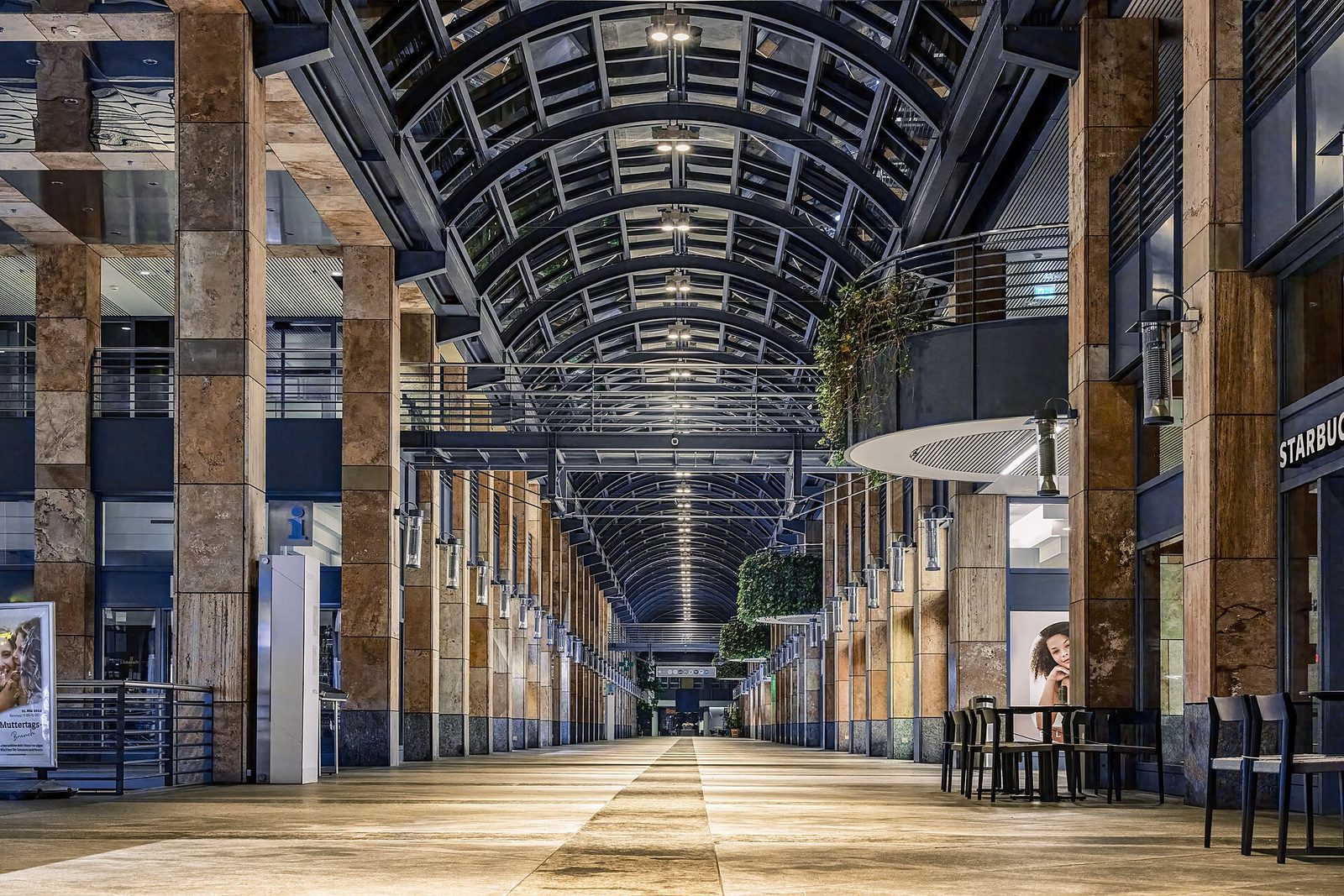
The interior gallery of a shopping arcade.
Comfort, lighting, water and security on one login — not five systems and five suppliers.
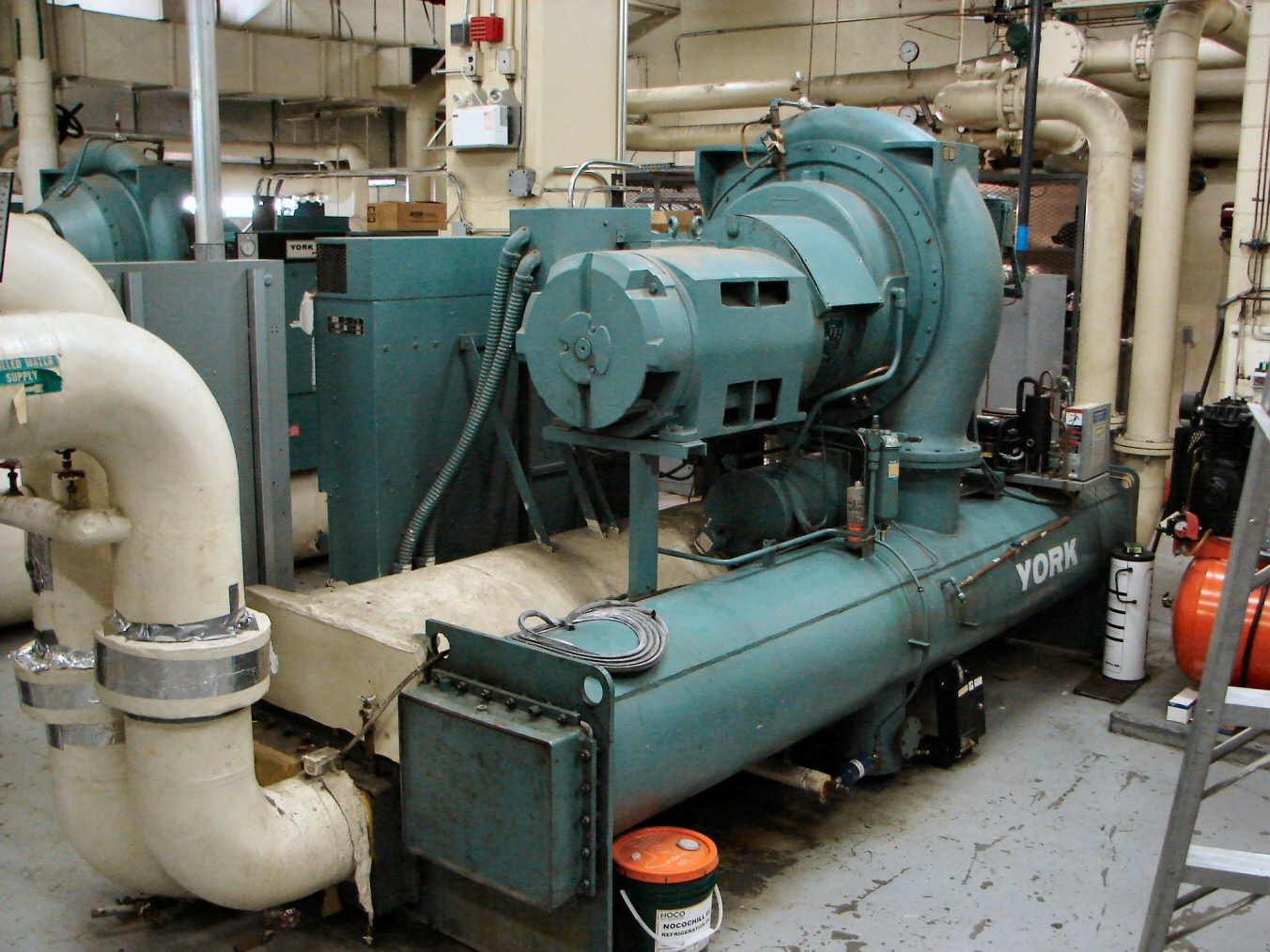
A large industrial chiller unit with pipework in a plant room.
Motor protection across every drive, with the diagnostics finally coming out of the relay.
04 — Factories & industry

Industrial plant

Process pumping and utilities, motor protection on every drive, compressed air and cooling, and energy attributed to the line that actually consumed it.

Your protection relays already know the phase currents, the imbalance, the ground fault and the trip history. On most sites that information never leaves the device. Brought out and trended, it turns an unplanned motor replacement into a scheduled bearing change — and it turns an energy bill into something you can argue with.

  • Phase current & voltage
  • Ground fault
  • Trip history
  • Run hours & starts
  • Compressed air
  • Process flow
  • Energy per line
  • Uptime
05 — Housing developments

Estates & communities

Community water supply and pressure, tank levels across the estate, common-area lighting, gates and access, and standby power that is proven ready rather than assumed ready.

A development is a small utility with none of a utility's instrumentation. The complaints that reach a management company — no water on the top floor, the gate is stuck, the generator did not start — are all visible before they become calls, and most of them stop being calls at all.

  • Tank levels
  • Supply pressure
  • Booster duty
  • Gates & access
  • Common-area lighting
  • Generator & ATS
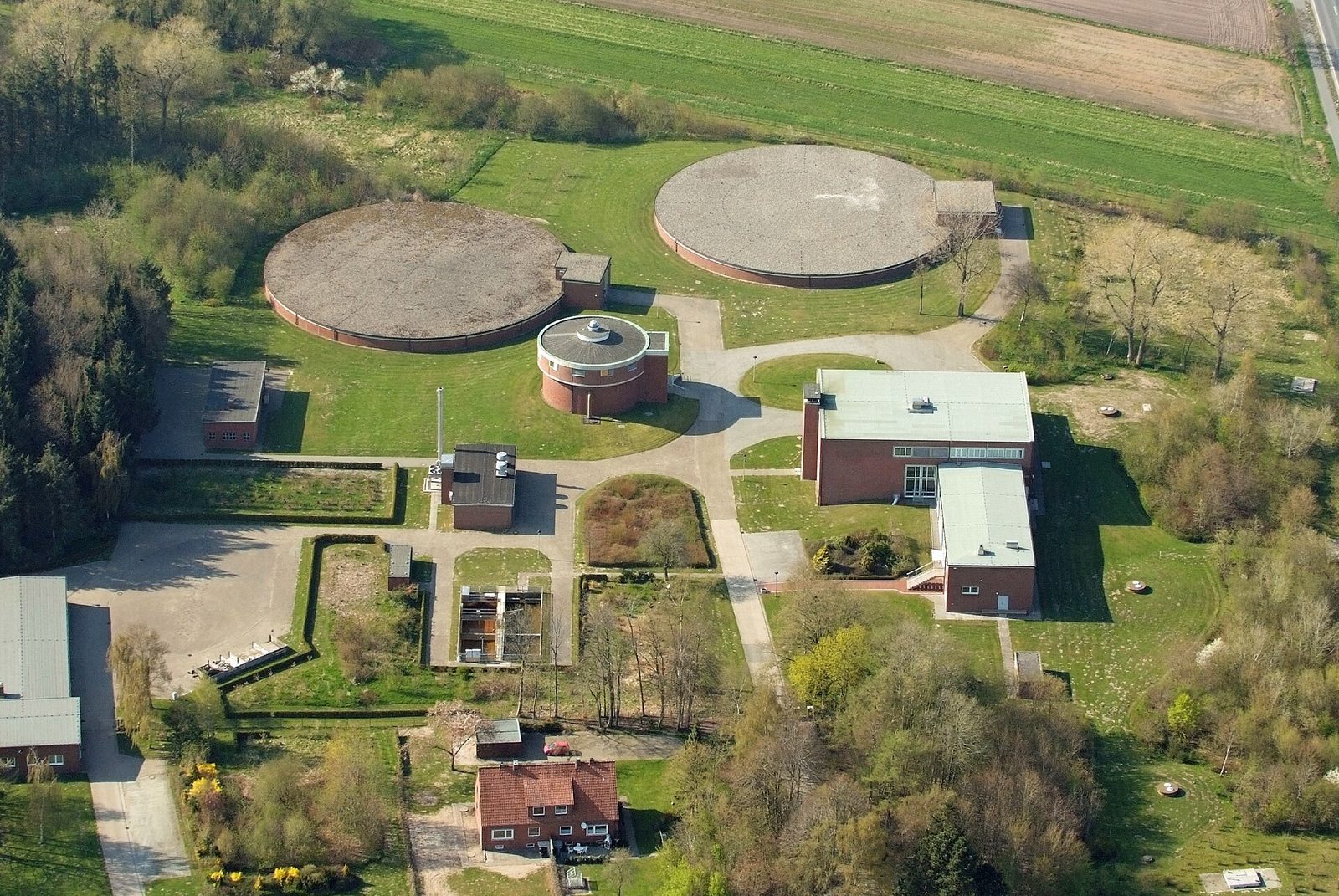
Aerial view of water storage tanks and a treatment site.
Every tank, pump and gate on the estate reporting into one place.
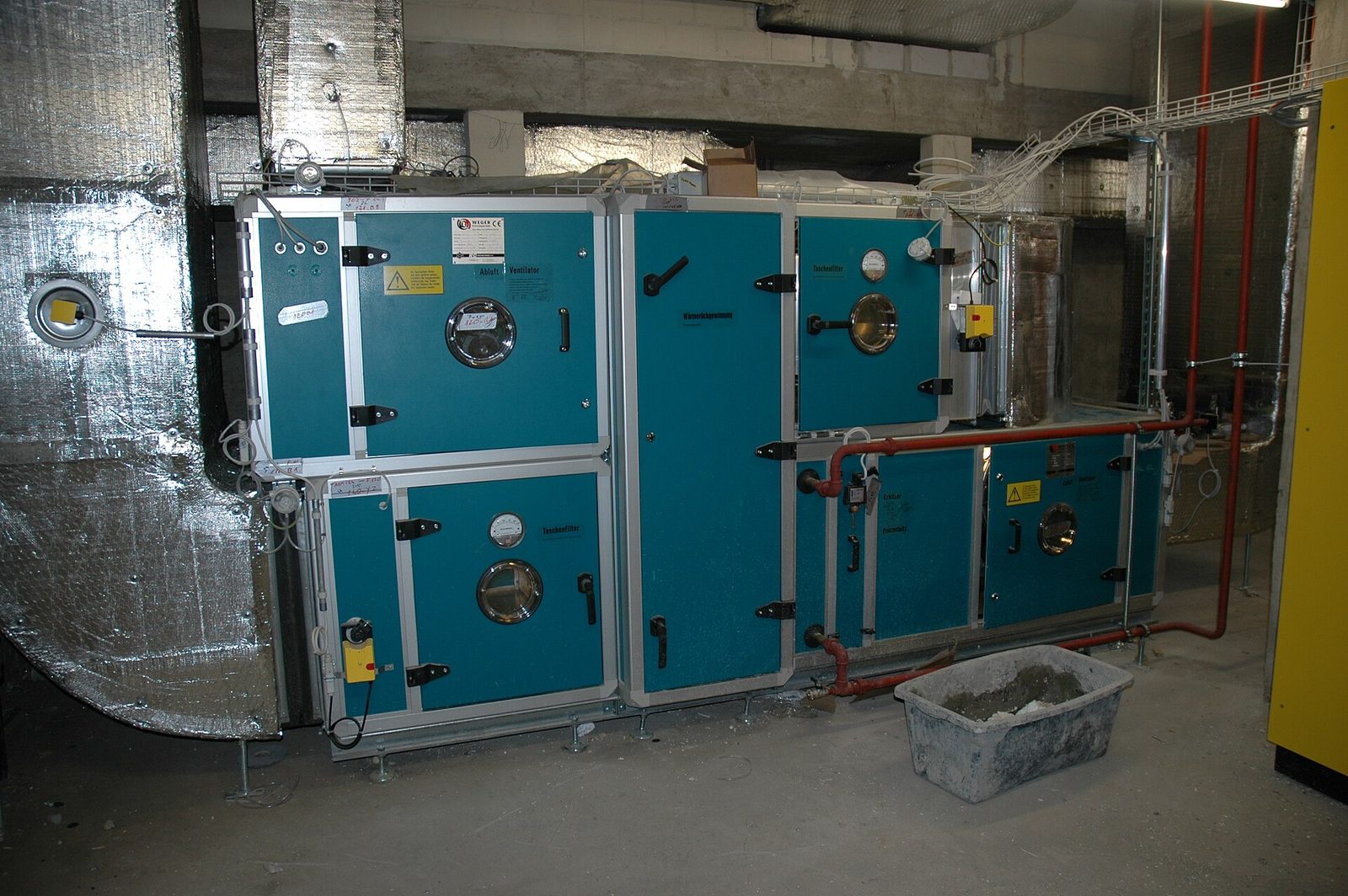
Air handling units in a building plant room.
Zone comfort by floor and tenancy, with after-hours running that stops when the building empties.
06 — Office & mixed-use

Office complexes

Comfort by floor and tenancy, after-hours automation, energy per tenant, lifts and life-safety status — and a record of who changed what.

Most office buildings pay to condition empty space for several hours a day. That is the easiest money in the building to stop spending, and it needs no construction to fix — only visibility and a schedule that reflects how the building is actually used.

  • Zone climate
  • After-hours schedules
  • Energy per tenant
  • Lift status
  • Access events
  • Audit trail
07 — Banks, hospitals & schools

Institutions

Critical rooms, vaults, cold stores and data centres held under continuous watch on their own escalation path — day, night, weekend and holiday.

Hazardous gas detection is treated the same way: chlorine, refrigerant and carbon monoxide monitored against escalating thresholds, with each level triggering its own response — ventilation, HVAC isolation, and simultaneous notification to the people who need to act. And every event is on record, sized for compliance review.

  • Critical room temperature
  • Humidity
  • Gas detection
  • Automated response
  • Standby power
  • Fire panel status
  • Compliance reporting
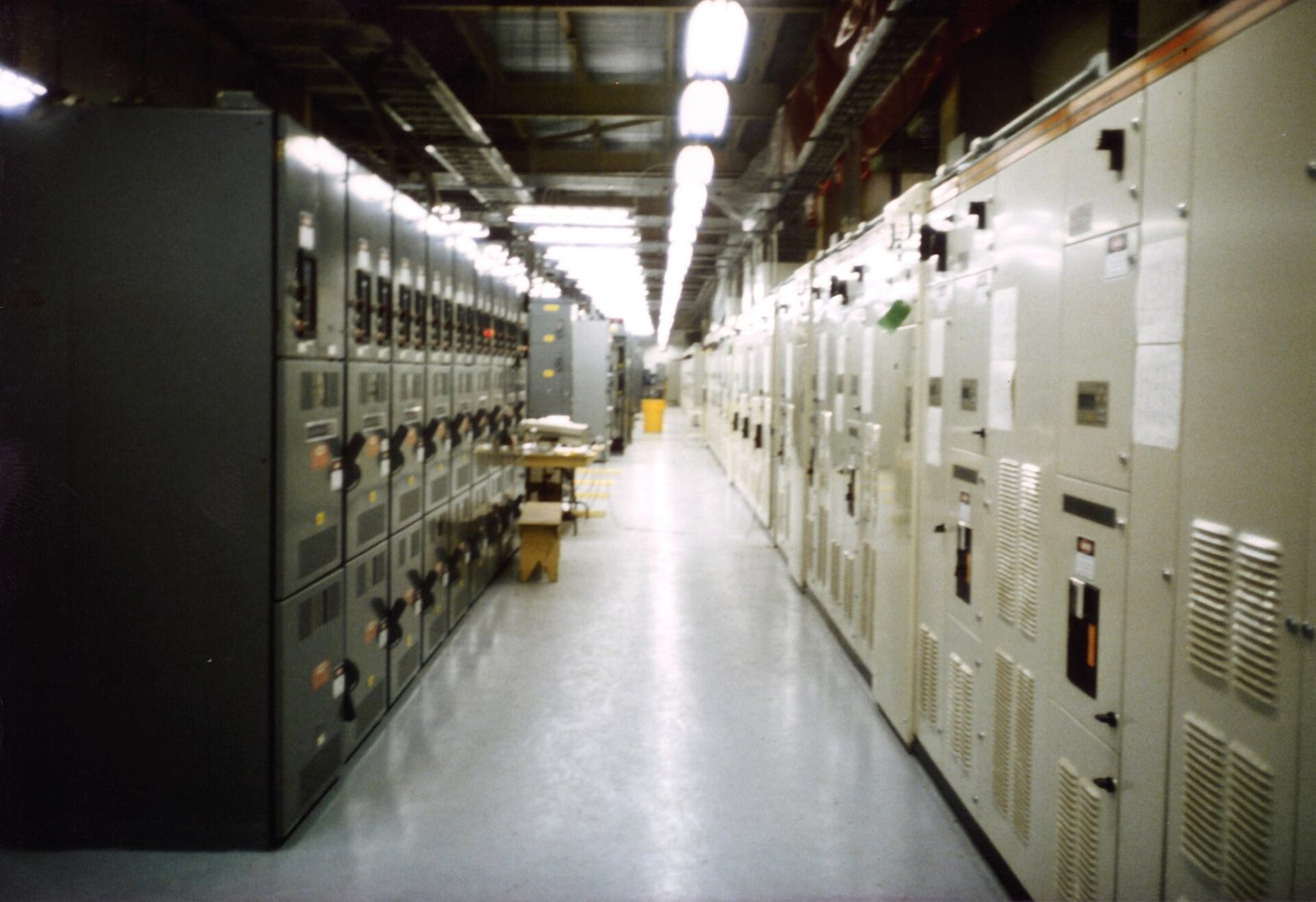
A line-up of switchgear panels in an electrical room.
Confirmed standby readiness, rather than an assumed one, on the day it is needed.
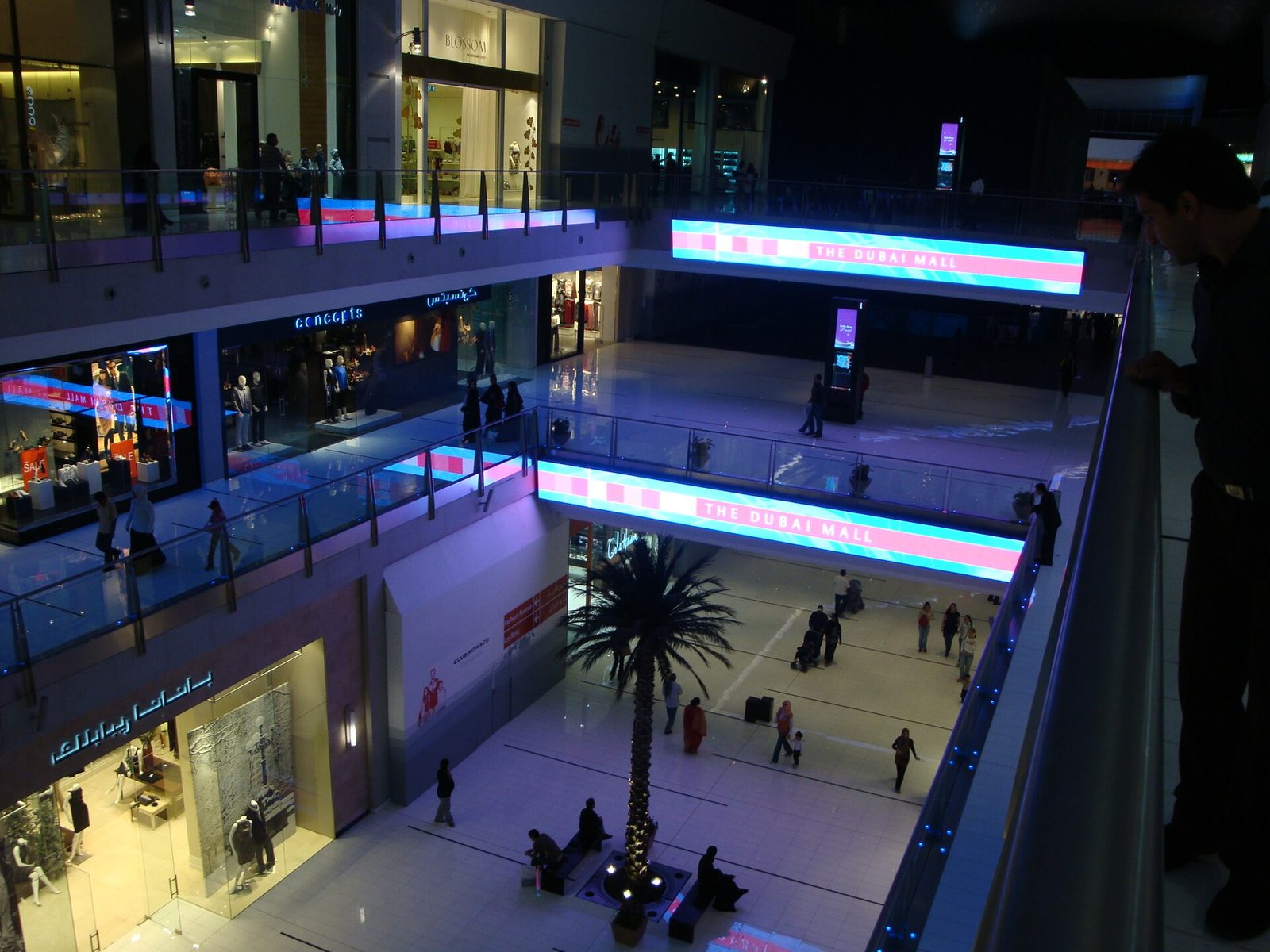
A modern multi-level interior lit at night.
The same system, scaled down to one property — and reachable from another country.
08 — Homes & private estates

Private properties

Water pressure and tank levels, pumps, gates, standby power and cameras — controlled from a phone whether you are upstairs or abroad.

The same engineering that runs a pump station runs a house, and the problems rhyme: a tank that empties without warning, a pump that burns out running dry, a gate that fails while you are away, a generator nobody has tested since it was installed.

  • Tank level
  • Pump status
  • Gates
  • Standby power
  • Cameras
  • Remote control

Start with one zone, not the whole facility.A single plant room, pump set, chiller or floor can be brought online first to prove the return — then extended across the property on the same system, with nothing thrown away.

Next step

Your facility is not on this list?

If it has water, power, air or machines, it is a facility we can run. Tell us what you have and we will tell you honestly whether we are the right people for it.